
The use and cultivation of cannabis for different purposes began 4,000 years before the Common Era (BCE). For centuries, cannabis has been utilized for fiber, rope, textiles, medication, and for its psychoactive compounds. The application of cannabis includes its use as medicine for body, mind, and spiritual purposes.
This article will focus on the history of cannabis while offering knowledge into cultural difficulties and legal issues that are gradually relaxing nowadays.
4,000 BCE: The oldest use of cannabis
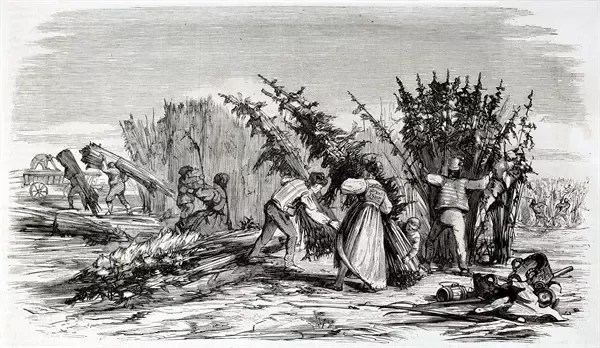
Cannabis was first used in China back in 4000 BCE. Archeological discoveries propose that cannabis was grown and collected for its fibrous properties including the creation of rope and textiles. Later on, cannabis seeds began to be utilized in food applications too.
Although seeds have modest quantities of the psychoactive compound THC, different lipids and compounds found in the seeds may also offer high medicinal value.
The oldest pharmacopeia in the world called the pen-ts’ao ching, contains the mention of cannabis use for therapeutic applications. Emperor Shen-Nung, the Father of Chinese Medicine, who lived from 2838 – 2698 BCE, also mentioned the use of cannabis in several applications including constipation, female reproductive system disorders, malaria, rheumatic pain and more. The Encyclopaedia Britannica considers marijuana as a plant with a valuable analgesic, anesthetic, antidepressant, antibiotic, and sedative value.
Medical cannabis then spread from Central Asia into India, where it turned into a sacred herb and was used for therapeutic, recreational and hallucinogenic purposes. It has a connection with Shiva who is rumored to have brought it down from the mountains.
On the medical side, Indian experts utilized it as an analgesic, anesthetic, antibiotic, anticonvulsant, anti-inflammatory, antiparasitic, antispasmodic, antitussive and expectorant, aphrodisiac or anaphrodisiac, appetite stimulant, digestive, diuretic, hypnotic, and as a tranquilizer.
Cannabis was additionally utilized in tantric Buddhism for meditation purposes, where it gained wide use in Assyria, Persia, and in different parts of Europe because of invaders importing it from Central Asia.
16TH-18TH century: Marijuana travels to the west
Cannabis was first used in the Americas back in the 16th century when slaves carried cannabis seeds from Africa to Brazil to be cultivated for several applications.
Particularly in the United States, the history of cannabis started at the beginning of the 17th century with hemp cultivating. Hemp is another species of cannabis sativa.
Hemp was a popular essential fiber used by American colonists. It also worked as a proper currency in Maryland, Virginia, and Pennsylvania in the 1600s. But at that time no one knew its nutritional value.
During the mid-18th century, an excess of 100 scientific articles on the medicinal value of cannabis utilize had been distributed in Europe and the U.S.
Labs then started making concentrates and tinctures from cannabis plants, however, the primary ingredients and useful cultivation methods for amplifying cannabinoid concentration were still to be discovered. This resulted to less intense, and more simple offerings that we see nowadays.
The early 1900S: Cannabis illegality

During the early 1900s, settlers started moving to the United States. A prejudiced relationship of marijuana with Mexicans resulted to an illogical fear of the plant’s compounds, and the inevitable banning of it as a narcotic in 1937 with the Marihuana Tax Act.
This act banned the selling of evil, “reefer madness”- inducing cannabis without paying taxes on the plant, which was generally difficult to pay. Amidst this disagreement, the advantages of cannabis were still recorded in books on practical medicine dating back to 1924.
60S and 70S: Counterculture cannabis
The prevalence of marijuana started soaring in the mid-1960s. Delta-9-Tetrahydrocannabinol — THC as we all know— was isolated in 1964 by Raphael Mechoulam. This paved the way for more studies on cannabis and its applications.
In 1970, cannabis research gained more traction despite federal scheduling with the formation of the National Organization for the Reform of Marijuana Laws (NORML).
A couple of years later, High Times, one of the longest-running cannabis magazines in the US, started monthly publications, promoting discussion, cultivation, and activism around the plant. This would surprisingly provoke George H. W. Bush’s endeavor to reignite the War on Drugs during the 1980s.
The 1990S and 2000S: Cannabis legalization
Medical marijuana became legal in California in 1996. This was the first-time cannabis was legal. This prompted other states to begin considering measures to implement less strict policies, in other to benefit from the plant as well as use it as a new source of revenue for the state.
In 2013, Colorado and three different states legalized the use of cannabis for adults over 21 years old. Since that time, more than 33 states have passed different laws to legalize or decriminalize cannabis. This was followed by 11 states legalizing cannabis for adult use. One of these states is Vermont, which has legalized the possession and cultivation of marijuana but it’s yet to implement legal sales.
Also, the federal government legalized hemp and its byproducts for industrial purposes, which means farmers can easily cultivate hemp without being prosecuted. Cannabinoids that originate from hemp are currently legal on a national level. This has caused several complications as law enforcement officers still arrest people for using hemp due to a lack of understanding between hemp and marijuana.
Uruguay was the first nation to legalize recreational cannabis back in December 2013 and In October 2018 Canada followed to become to the second nation to officially legalized recreational cannabis. Many other countries are expecting similar changes soon.
The future of the cannabis industry
The cannabis industry has a lot of expectations, with some predictions placing consumer spending to reach $30 Billion by 2022. There is no slowdown in the cannabis industry and as the years keep progressing, more investors enter the cannabis industry to reap the benefits of this fruitful venture. The first cannabis billionaire has been named, and this will prompt nations, states, and nearby districts to consider policies that will enable the safe consumption of cannabis.
Lobbies for recreational, adult-use legalization in 2020 are in progress in most US states. Moreover, congress is also taking action towards rectifying the banking and different issues that slow down the progress of legal cannabis industries.
Discover more from TokeN Timber
Subscribe to get the latest posts sent to your email.

