
Hemp textiles otherwise known as hemp fabric are made from the stems of the hemp plant (cannabis sativa). It was used by our ancestors for textile production and it stands as the oldest fiber ever used. During the Middle Ages, hemp was a very popular natural fibre. It rose to popularity before other products like cotton became known. During the start of the twentieth century, hemp was popular all over Europe, but nowadays the Chinese have dominated the hemp market. Hemp is still a highly valued natural product that is applicable in fashion, interior design due to its strength and biodegradable nature.
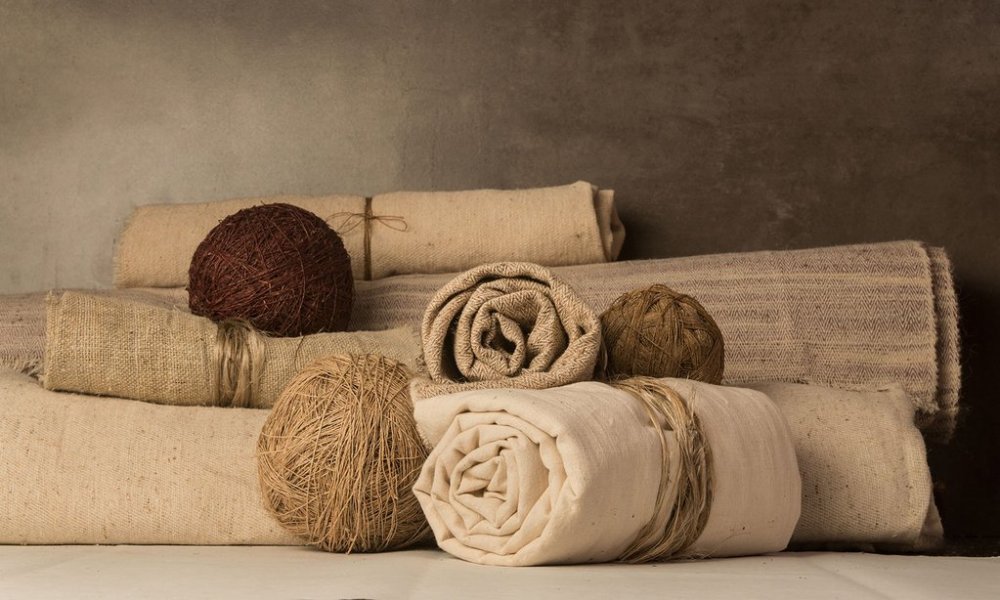
Hemp fabric is a sustainable textile produced using the fibres of a high-yielding crop in the cannabis sativa plant family. The implementation of hemp fiber or cannabis sativa fiber as clothing material started decades ago. Hemp fiber has a long history and hemp deposits were discovered in tombs dating back to 8,000 BC. Hemp was popular in several applications during early civilizations in Asia, Middle East, and China. For instance, the usage of hemp to make paper, rope, ships rigged, canvas, sailcloth, and sacks in Asia and the Middle East.
Hemp offers a very high tensile strength when compared to other natural fibers. This makes it the perfect alternative for daily usage. Hemp fabric as a raw material can be rough to the touch, so most companies mix it with cotton to make it soft. Most products made from hemp textile compose of hemp with the soft feel of cotton.
History of hemp textiles
Although hemp fiber was essential for industrial purposes, its rough nature made it difficult to manufacture apparel and household equipment. Hemp fiber needed to be softened before transformed into clothing. Conventional methods for softening hemp fibers included the use of acids to remove lignin, a natural type of glue found in most plant fibers. Although this method was successful in removing lignin, it disrupted the fibers of hemp and made it very unstable for use. This made hemp become an industrial fabric.
In early 1980, researchers created an enzymatic process to eliminate lignin from the hemp fiber without reducing its durability. This was the first time that de-gummed hemp fiber could be spun alone or in combination with other fibers to produce clothing textiles. Due to this technological breakthrough, hemp is now at the forefront of modern textile design and fashion. The superiority that hemp has compared to other fibers offers enormous benefits for industries.
Advantages of hemp textiles

Strong Fabric
Hemp fiber has a tensile strength which is eight times stronger than cotton fiber. The main reason why our ancestors used it for sails and rope was due to its durability and eco-friendly nature.
Comfortable clothing
Hemp yarns and fabrics work well with apparel. The fibre contains elements that clearly distinguish it sharply from several materials and make it unique.
Hemp’s porous nature makes it difficult to hold air. Hemp fabrics are soft and cool, suitable for summer. Also, hemp is very absorbent which means, it draws a lot of water. This is very useful during hot days as it helps in regulating the microclimate between the body and clothing.
Hemp offers a lot of support when worn directly on the skin despite it being stiffer, harder, and less flexible than cotton which makes it less supple. These properties make the material crinkle when used in woven fabrics. Nonetheless, this property adds a ‘natural charm’ to hemp fabrics.
Sustainable hemp
Hemp among the most sustainable textiles to ever exist. The plant grows without irrigation and is prune to pests. Farmers don’t spend on pesticides when cultivating hemp. Since hemp grows fast, there are no weeds to hamper the growth of the plant and growers don’t need herbicides. Hemp is a natural product, which means it’s 100% biodegradable and recyclable and works well on the skin.
Superior Properties
Hemp fiber is among the powerful and durable natural textile fibers. Hemp products will last for years. While hemp is strong, it also retains its structure, stretching less than any other natural fiber. This stops hemp garments from easily stretching or becoming distorted. While hemp is known for its durability, its comfort and style are second to none. The more hemp is used, the softer it becomes. Hemp also naturally resists mold and ultraviolet light.
Also, the porous nature of the hemp fiber, makes it more water-absorbent, and it can be easily dyed into any color. Hemp’s porosity also makes it to be breathable, making it suitable for warm weather. Also, the air trapped in the fibers becomes warm when in contact with the body.
Ecological Advantages of hemp textile
Hemp grows very quickly, generating more fiber yield per acre more than any crop. Hemp generates 250% to 600% more fiber than cotton and flax when grown on a similar scale. Hemp also requires little space to obtain high yields of fiber.
Hemp grows suitably grows in warm tropical zones or under moderately cool, temperate climates found in the United States. Hemp makes the soil fertile, allowing any succeeding crop to grow at its best. Hemp’s strong roots also descend about three feet or more than any other crop. The deep nature of the roots allows them to protect the soil from erosion. Furthermore, hemp does extract soil nutrients. Hemp plants shed their leaves during the entire growing season, making the topsoil rich and helping it retain moisture. Most farmers experience excellent hemp growth on land that had been cultivated steadily for centuries.
Hemp textile for the future
Hemp as a fabric provides all the warmth and softness of a natural textile alongside superior durability lacking in other materials. Hemp is very flexible and is used for numerous products like clothing, accessories, shoes, furniture, and roofs. Hemp apparels contain all the beneficial qualities and can last longer under harsh conditions.
Hemp textile has a lot of potentials. There is a high probability that it will eventually overtake cotton, linen, and polyester in different industrial processes. The numerous uses of hemp fabric as well as its potential to become cheap makes hemp textiles the wave of the future!
Discover more from TokeN Timber
Subscribe to get the latest posts sent to your email.

