
There’s no denying the immense impact and long-standing history of cannabis in Africa. You might be surprised to find out that for centuries, this powerful plant has been used in everything from traditional medicine to spiritual practice and more.
The story of cannabis in Africa is a complex one, filled with tales of oppression, suppression, and exploitation. But this story also includes a stunning resilience, with people around the continent adapting cannabis to fit the changing times and cultural contexts.
In this article, we’ll be exploring how cannabis has been used in African countries throughout history—from ancient times until today—and how it continues to play an important role in many places across the continent. We’ll also be examining why some countries have outlawed its use while others have embraced it. So get ready for an immersive journey through incredible stories of a resilient plant!
How Cannabis Became Known in Africa

Have you ever heard of ganja, dagga, bhang or hemp? If not, these are all terms used to describe cannabis—one of the oldest crops known to humankind! You may be surprised to learn that cannabis has had a long and complex history in Africa, one that’s marked by periods of both oppression and exploitation.
It’s thought that cannabis was first brought over to Africa during the slave trades of the 1600s and 1700s. Sadly, the effects were anything but positive for those involved—and it even resulted in criminalization of the drug in many countries. In some cases, this was due to perceptions about its use as an intoxicant, while in other instances it was because of fears that it would lead to lower-wage African workers competing with colonial occupiers.
In more recent years, there’s been renewed interest in cannabis for medicinal purposes, as well as for other commercial applications. While access is still limited and regulation remains difficult, there is hope that cannabis might be a game-changer for Africans looking to improve their livelihoods. From traditional use among certain cultures to exploring new ways of benefiting from it’s potential—exploring the history of cannabis in Africa will give you insights into how this plant has impacted our lives across centuries.
Traditional Use of Cannabis in Africa Before Colonization
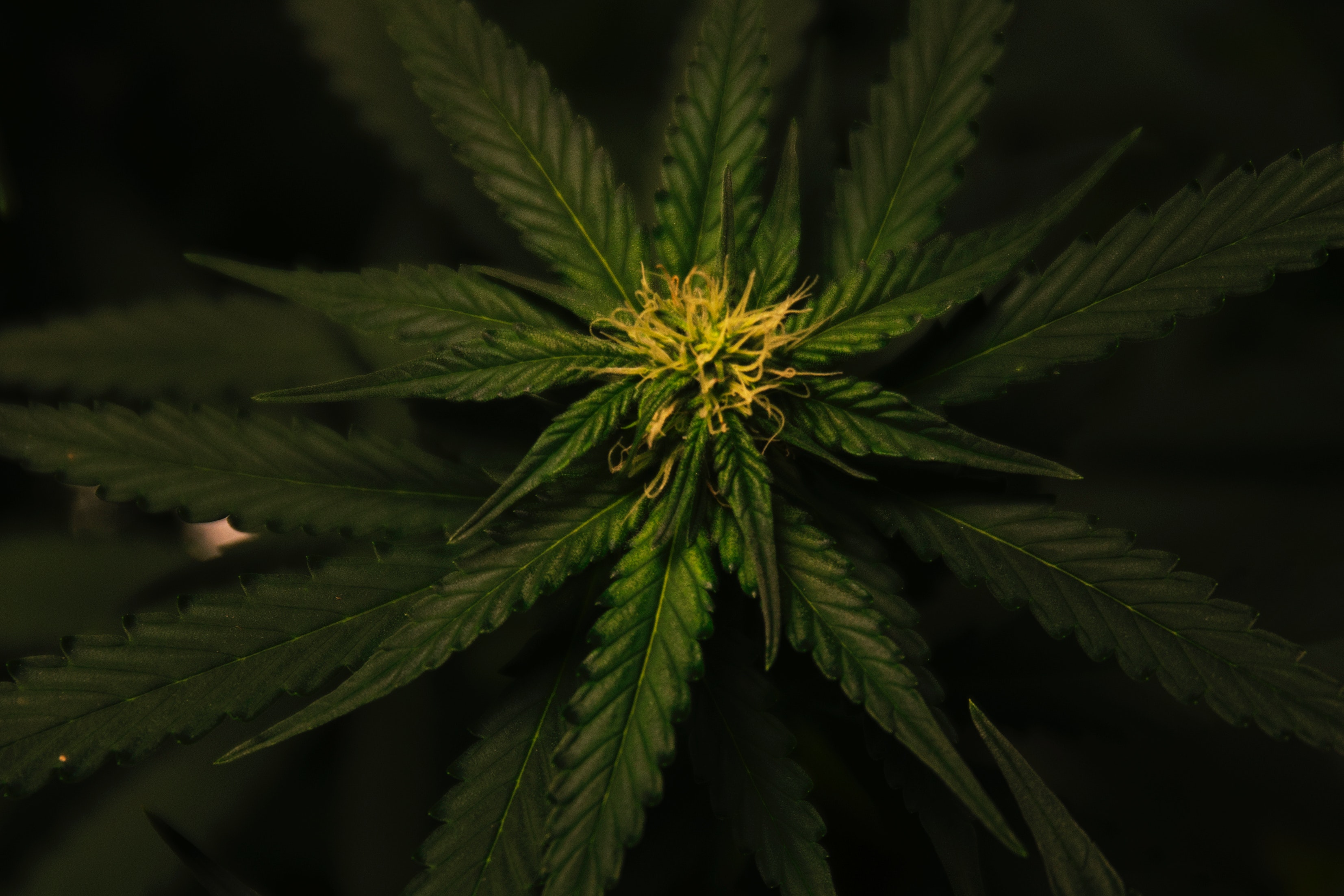
When you hear the word “cannabis,” you likely think of modern-day smoking and recreational use—but that’s far from the truth when it comes to Africa. For centuries before colonization, traditional African people used cannabis for food, medicine, and spiritual purposes.
From South Africa to North Africa, cannabis has had a long history of use throughout the continent. In ancient Egypt, Egyptians used cannabis as a medicine and even included it in their embalming processes; while in Ethiopia, they used cannabis as an incense or potion to ward off evil spirits. It was also smoked during funeral ceremonies to honor the dead.
Cannabis has traditionally been seen as a gift from the gods in many parts of Africa. In Zimbabwe, chiefs would dispense it as a symbol of friendship and goodwill at peace conferences with other tribes; while in Sudan, it was consumed before battle to give warriors courage and fearlessness.
In African cultures, cannabis has been deeply embedded for thousands of years—but more recently its been subject to exploitation since colonization began in the 1800s.
Colonial Period and the Early Suppression of Cannabis
You may not know this, but cannabis has been a part of African history for centuries. In fact, cannabis has always been an integral part of African culture, and with the introduction of colonialism it was quickly suppressed.
It all started in the late 1800’s when Europeans began to colonize numerous parts of Africa. With this colonization came new laws and regulations regarding the use and cultivation of cannabis—laws that were imposed by Europeans who had little to no understanding of African culture or traditions.
Laws & Regulations
The colonial period brought with it a host of oppressive laws that targeted and criminalized cannabis. These laws not only banned the consumption and cultivation of cannabis, but also targeted its users with harsh penalties such as jail time and fines. Additionally, the colonial rulers established monopolies on production and distribution—which meant that Africans had limited to no control over their own resources.
Symbolic & Economic Suppression
The European colonization also symbolically suppressed African traditions by making it a crime for people to practice their own customs or grow their own crops. This had an immensely damaging effect on local economies as well as communities—and it meant that many African farmers were unable to turn a profit from cultivating cannabis or other crops on their own land.
And while colonial powers may have tried to suppress cannabis in Africa, its legacy continues today—in more ways than one!
Recent Changes to Cannabis Laws in Africa
You may not be aware of it, but recent years have seen many African countries debating the legalization of cannabis for both medicinal and recreational use. In South Africa, for example, the Constitutional Court ruled in 2018 that the personal use of cannabis was allowed. Following this, the government allowed the sale of cannabis products for the first time in 2019.
Other countries, such as Lesotho, have also taken steps towards legalization. In 2017 they became the first African country to issue a medical cannabis license. This revolutionized medical treatment in this region by allowing access to safer and more effective forms of relief from conditions such as arthritis and cancer.
In terms of recreational use, there has been progress too – with Zimbabwe being the first African nation to decriminalize recreational use in 2019. Some other countries have decriminalized certain amounts for personal possession too, including Angola and Malawi – though it’s still illegal across most of Africa.
The implications on libertarianism and human liberty can be truly revolutionary if more African nations join this wave of change – providing an opportunity to challenge old systems in search of a more equitable society where people are free to make their own choices about how to live their life.
Emerging Industry Opportunities for Cannabis in Africa
With the global cannabis industry projected to reach a value of $73.6 billion by 2027, Africa is now exploring opportunities to benefit from this emerging market. Despite its long-standing history on the continent, cannabis use and cultivation is now being re-looked at in terms of potential economic development.
Medicinal Use
The therapeutic and medicinal benefits of cannabinoids have largely been unacknowledged in Africa—until recently, that is. Many governments are beginning to recognize the potential role cannabis can play in health care, leading to more widespread acceptance and decriminalization across many countries on the continent.
Industrial Uses
Africa is looking further beyond just its medicinal benefits, delving deeper into how cannabis could be used in industrial areas like textile production and energy. Textiles made out of hemp fibers are now being explored as a possible alternative to cotton, while hemp biomass can potentially create bioplastics and biofuels as renewable sources of energy.
Just imagine: all these products could offer sustainable alternatives to the continent’s current manufacturing process! This could revolutionize not only the local economy but also promote ecological awareness and better environmental practices worldwide.
Could this be Africa’s next industry opportunity? It’s definitely looking that way!
The Need for Regulation and Enforcement for Legal Cannabis in Africa
You may not know it, but the need for regulation and enforcement of legal cannabis in Africa is incredibly important. This is especially true because of the centuries-long history of oppression, suppression, and exploitation of the African continent when it comes to cannabis.
The necessity for regulation is twofold:
- To ensure the safety, quality, and potency of products being sold on the African market
- To make sure that those who benefit from legal cannabis are not exploiting the industry or one another
Having strong oversight could be a delicate balancing act for governments across the continent in order to ensure a safe and fair environment for profitable hemp and marijuana industries to thrive. In a modern world where there is growing interest in cannabis, effective regulation will protect consumers while ensuring legal growers get the profits they deserve.
In fact, many have proposed a ‘cannabis tourism’ concept to capitalize on emerging trends within Africa—but only with strong government control mechanisms in place can this be viable. Not only could this bring more jobs and income into local economies—it could also promote healing and recreation in communities across the continent!
Conclusion
It’s clear from African history that the relationship with cannabis is complicated. From ancient rituals and medicinal uses to modern-day oppression, suppression, and exploitation, its story is inextricably linked to the continent.
Today, with more countries decriminalizing the use of cannabis, its history is being re-examined and reinterpreted. And as people learn more about how its influence has shaped African culture, they are beginning to realize the potential of a plant that has been part of the continent’s story for centuries. Thanks to a growing movement of advocates, its legacy is finally being given its due.
Discover more from TokeN Timber
Subscribe to get the latest posts sent to your email.

