
Introduction
In recent years, there has been a significant resurgence of interest in the use of hemp in various industries, including construction. Hemp, derived from the cannabis plant, is gaining recognition for its versatile applications, especially in the construction sector. This is particularly true in Africa, where the revival of hemp in construction is being explored due to its numerous benefits and advantages. In this brief article, we will explore why hemp is making a comeback in African construction and delve into its potential contributions to sustainable development.
Hemp in Construction: A Historical Perspective
Hemp has been utilized for thousands of years for its various properties, from producing textiles and paper to providing a source of nutrition. In the context of construction, hemp has been used historically for creating ropes, textiles, and even building materials. It was commonly used in construction across various cultures due to its natural strength and durability. However, with the advent of industrialization and the introduction of alternative materials, hemp gradually lost its prominence in the construction industry.
The Rebirth of Hemp in African Construction
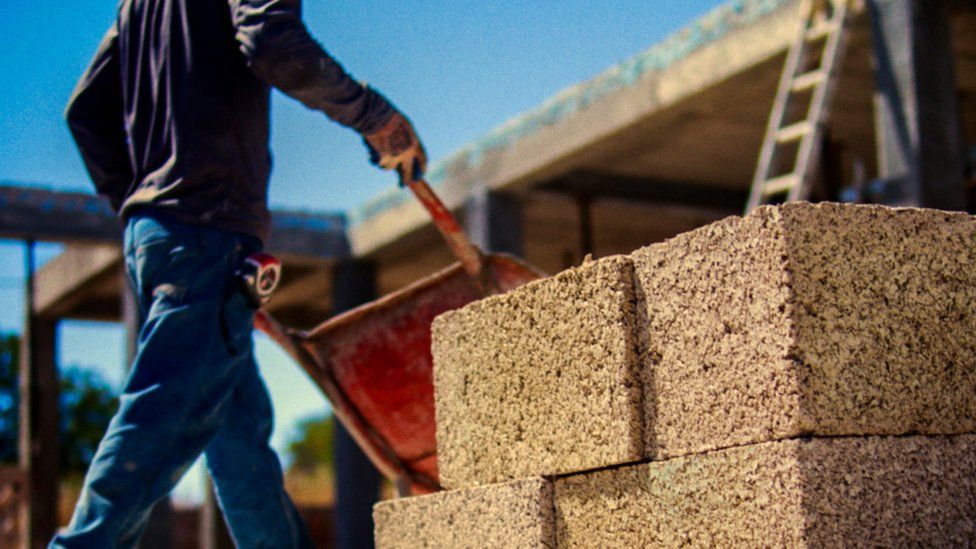
In recent years, there has been a resurgence of interest in hemp as a construction material, and Africa is at the forefront of this movement. This renewed focus is driven by several factors:
- Sustainability: Hemp is considered an eco-friendly material, as it requires minimal water and pesticides to grow. Additionally, it absorbs carbon dioxide during its growth, making it a carbon-negative crop.
- Abundance: Hemp can be cultivated in a wide range of climates, making it a viable option for various African countries. Its fast growth cycle allows for multiple harvests in a single year.
- Durability: Hempcrete, a construction material made from hemp fibers and a lime-based binder, offers excellent thermal and acoustic insulation properties. It is also resistant to mold, pests, and fire.
- Job Creation: Embracing hemp in construction can lead to the creation of new job opportunities in farming, processing, and construction sectors.
Advantages of Hemp in African Construction
The revival of hemp in African construction presents a multitude of advantages:
- Climate Resilience: Hemp’s ability to absorb carbon dioxide during growth and its insulation properties help reduce the carbon footprint of buildings, contributing to climate resilience.
- Affordability: Hemp can be grown locally, reducing transportation costs, and its cultivation requires fewer resources than traditional building materials.
- Energy Efficiency: Hempcrete’s insulation properties help regulate indoor temperatures, reducing the need for energy-intensive heating and cooling systems.
- Health and Comfort: Hemp-based materials are breathable and can improve indoor air quality by preventing mold growth and promoting healthy airflow.
- Cultural Preservation: Hemp’s historical use in various African cultures can be preserved and integrated into contemporary construction practices, promoting cultural heritage.
Conclusion
The revival of hemp in construction in Africa holds immense potential for sustainable development, economic growth, and environmental conservation. As the continent faces the challenges of rapid urbanization and climate change, embracing hemp as a building material can provide a holistic solution that addresses multiple issues simultaneously. By recognizing and harnessing the benefits and advantages of hemp, African countries can contribute to a more sustainable and resilient future for their communities and the planet at large.
Discover more from TokeN Timber
Subscribe to get the latest posts sent to your email.

