
The hemp industry is gaining momentum worldwide, and Africa is uniquely positioned to gain from this versatile and sustainable crop. Hemp is a variety of the cannabis plant with low THC levels. It offers a myriad of economic opportunities that can drive job creation. It can also foster entrepreneurship and promote sustainable development across the continent. As we explore
the potential of the hemp industry, it becomes clear that this “green gold” could be a game-changer for Africa’s economic landscape.
Job Creation: Building a Sustainable Workforce

One of the most compelling advantages of the hemp industry is its potential to create jobs. From cultivation to processing and distribution, the entire hemp value chain offers many employment opportunities. Here’s how:
- Agricultural Jobs: Hemp farming requires skilled labor for planting, tending, and harvesting crops. As the industry grows, it can offer steady employment for rural communities, reducing poverty and improving livelihoods.
- Processing and Manufacturing: Hemp can be transformed into a wide range of products, including textiles, paper, building materials, and biofuels. Establishing processing facilities can create jobs in manufacturing and production, providing employment for skilled and semi-skilled workers.
- Research and Development: Investing in research and development can drive innovation in the hemp industry. Scientists, agronomists, and technicians can find opportunities in developing new hemp varieties. They can work on improving cultivation techniques. They can also discover novel applications for hemp products.
- Retail and Sales: As the market for hemp products expands, so does the need for retail and sales professionals. From small local shops to large export businesses, the demand for knowledgeable staff will grow. This will offer jobs in marketing, sales, and customer service.
Entrepreneurship: Cultivating Innovation and Business Growth
The hemp industry is a fertile ground for entrepreneurship, encouraging individuals to start their own businesses and explore new markets. The versatility of hemp opens up diverse entrepreneurial opportunities:
- Hemp Farming Enterprises: Aspiring farmers can start their own hemp cultivation businesses, taking advantage of the crop’s relatively low supply costs and high market demand. With the right support and resources, small-scale farmers can thrive in the hemp industry.
- Product Development: Entrepreneurs can create innovative hemp-based products, from eco-friendly clothing and accessories to sustainable building materials and biodegradable plastics. The possibilities are virtually endless, allowing for creativity and differentiation in the market.
- Value-Added Services: Beyond products, there are opportunities to offer services related to the hemp industry. This includes consulting on hemp cultivation, providing processing and manufacturing services, and offering marketing and distribution knowledge.
- Social Enterprises: The hemp industry aligns well with social entrepreneurship. In this model, businesses focus on creating social and environmental impact alongside profit. Entrepreneurs can develop initiatives that empower local communities, promote sustainable practices, and contribute to social equity.
Sustainable Development: A Greener Future for Africa
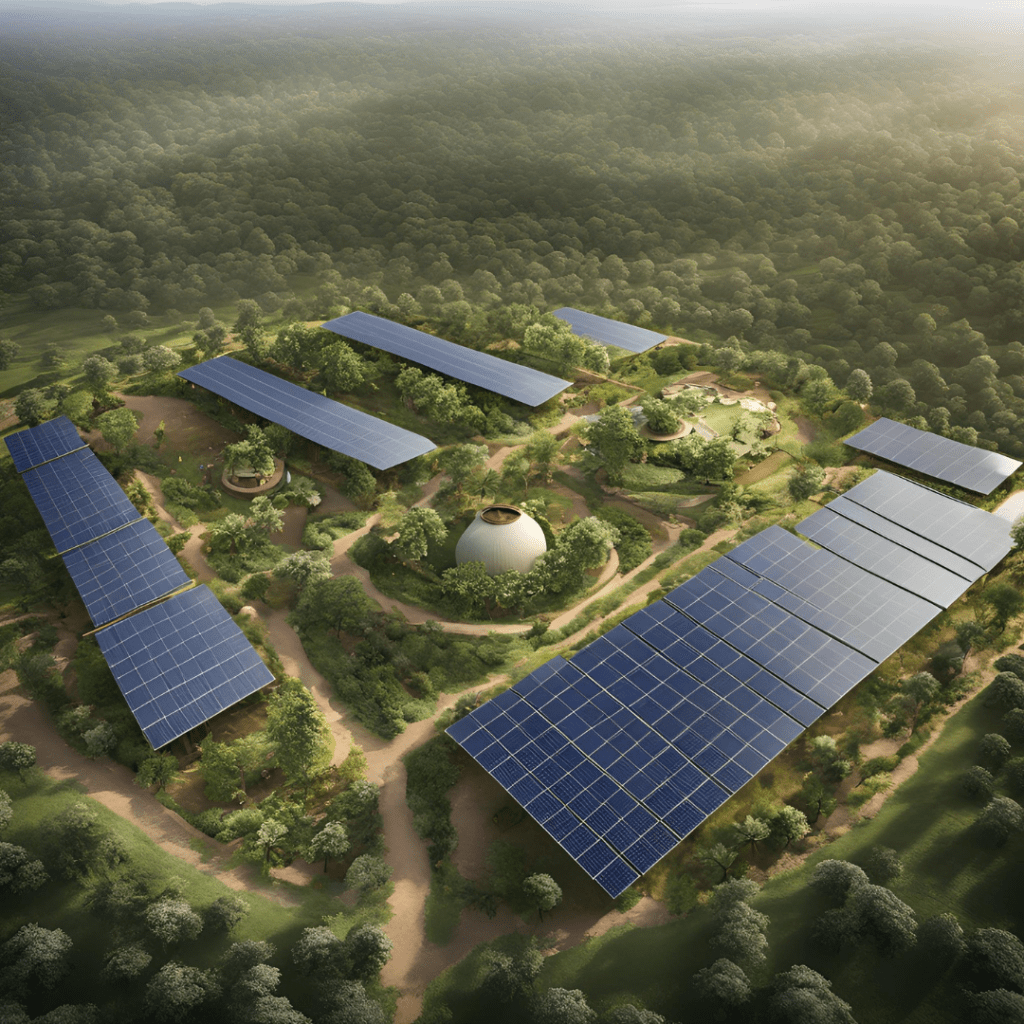
Hemp is not only economically beneficial but also environmentally friendly, making it a key player in sustainable development. Here’s how the hemp industry can contribute to a greener future:
- Carbon Sequestration: Hemp absorbs more CO2 per hectare than most crops, making it an effective tool for carbon sequestration. By cultivating hemp, Africa can contribute to mitigating climate change and reducing greenhouse gas emissions.
- Soil Health and Regeneration: Hemp has deep roots that improve soil structure and prevent erosion. It also requires fewer pesticides and herbicides, reducing soil contamination and promoting healthier ecosystems.
- Water Efficiency: Compared to other crops, hemp requires less water, making it suitable for regions with water scarcity. Efficient water use in hemp farming can help conserve this precious resource and guarantee sustainable agriculture.
- Waste Reduction: Hemp can be used to produce biodegradable plastics, reducing reliance on petroleum-based plastics and minimizing plastic waste. Additionally, hemp-based building materials can be used in eco-friendly construction, promoting sustainable housing and infrastructure development.
Conclusion:
The hemp industry holds immense promise for Africa. It offers economic opportunities that can drive job creation. It also fosters entrepreneurship and promotes sustainable development. Africa can unlock new avenues for economic growth by embracing the potential of hemp. Additionally, it can contribute to environmental conservation and social equity. It’s time to harness the power of this remarkable plant and build a brighter, greener future for the continent. With the right policies, investments, and community support, the hemp industry can truly become Africa’s Green Gold.
Discover more from TokeN Timber
Subscribe to get the latest posts sent to your email.

