

Ghana Legalizes Industrial Hemp: A Game-Changer for Africa’s Green Economy
Ghana’s forward-thinking move to legalize industrial hemp sets a precedent for African nations to tap into a multi-billion dollar global industry, sustainably and strategically.
Introduction:
On May 16, 2023, Ghana officially legalized industrial hemp, enabling the cultivation, processing, and commercialization of low-THC cannabis (under 0.3%) for non-psychoactive, industrial purposes. From textiles and construction to wellness and agriculture, this decision opens the doors to innovation, sustainability, and economic transformation — not just for Ghana, but for Africa at large.
What Ghana’s Legalization Entails:
Ghana’s new legal framework permits the production and processing of industrial hemp varieties that do not produce psychoactive effects. These plants can be cultivated for uses such as:
⦁ Hempcrete for construction
⦁ Biodegradable plastic alternatives
⦁ Organic body and skincare products
⦁ Sustainable fashion and textiles
⦁ Nutrient-rich hemp seed oil and protein
The legislation was accompanied by regulatory oversight, training initiatives, and support for farmers to enter the hemp economy with clarity and confidence.
Ghana’s Leadership in Africa’s Hemp Movement:
Ghana’s move places it among the few African nations actively building legal cannabis frameworks. This includes:
⦁ Malawi: Licensed hemp production for medicinal and industrial use.
⦁ Zimbabwe: Introduced commercial cannabis farming permits.
⦁ South Africa & Nigeria: Ongoing policy debates and grassroots advocacy are pushing for reform.
This legalization shows Ghana’s commitment to leading the continent toward a new agricultural and industrial frontier rooted in sustainability.
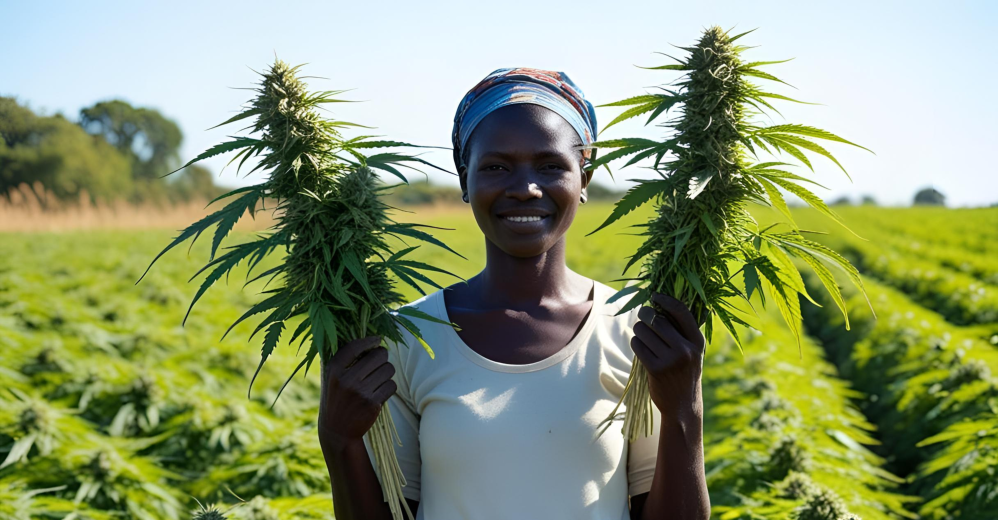
Why This News Should Matter to Every African
Ghana’s decision to legalize industrial hemp isn’t just a national win — it’s a continental wake-up call. Across Africa, millions of hectares of arable land remain underutilized while global industries seek sustainable raw materials. Industrial hemp, with its wide range of applications and low ecological footprint, presents an opportunity for Africa to rise as a global green power — and here’s why this news should matter to every African, from farmers and entrepreneurs to lawmakers and creatives.
⦁ Hemp Can Revitalize African Agriculture
Hemp is a resilient, fast-growing plant that can grow in varied climates, improve soil health, and allow for multiple harvests in a year — giving farmers more output and income.
⦁ It Offers Economic Empowerment at Scale
The global industrial hemp market is projected to surpass $18 billion by 2025. Africa currently contributes less than 1% — a figure that can rise rapidly if more nations act now.
⦁ Hemp Supports a Truly Sustainable Future
Hemp absorbs more CO₂ per hectare than most crops, restores depleted soil, and leaves behind almost zero waste.
⦁ Africa Has Cultural and Historical Ties to Cannabis
Before colonial criminalization, cannabis had spiritual, medicinal, and agricultural significance in several African cultures.
Ghana Is Just the Beginning
Pan-African interest is growing:
⦁ Malawi and Zimbabwe are scaling up production.
⦁ Nigeria and South Africa are exploring decriminalization.
⦁ AU-backed agencies are studying continent-wide policy alignment.

The Real Question: If Ghana can do it — why not us, why not now?
Join the Hemp Revolution!
Subscribe to our newsletter for real-time hemp policy updates across Africa, artisan opportunities, and green innovation stories.
Let’s grow a sustainable future together.
Discover more from TokeN Timber
Subscribe to get the latest posts sent to your email.

